
Heat, Humidity, And Injury Recovery: Why Miami Claims Look Different
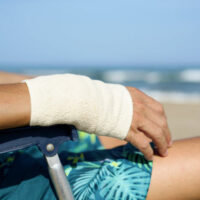
Recovering from an injury in Miami is not the same as recovering from an injury in a cooler, drier climate. South Florida’s year-round heat and high humidity can significantly affect how the body heals, particularly after traumatic accidents.
Partnering with a Miami personal injury lawyer is key. Insurance companies may overlook or minimize the impact that environmental factors have had on your recovery.
How Heat and Humidity Affect Soft-Tissue Injuries
Soft-tissue injuries, such as sprains, strains, whiplash, and muscle tears, are common after car accidents, slips and falls, and workplace incidents. In hot, humid conditions, inflammation tends to persist longer. Swelling increases when the body struggles to regulate temperature, which can exacerbate pain and limit mobility.
In Miami, injured individuals often find that routine activities become more painful during the summer months. Heat can intensify muscle spasms and joint stiffness, making physical therapy more difficult and prolonging rehabilitation. This extended recovery period often translates into additional therapy sessions, missed work, and ongoing discomfort, each of which contributes to higher damages in an injury claim.
Increased Risk of Infection and Complications
South Florida’s climate also creates an elevated risk of infection, particularly for individuals with open wounds, surgical incisions, or road rash from motorcycle and pedestrian accidents. High humidity encourages bacterial growth and makes it harder for wounds to stay clean and dry.
Even minor injuries can become serious if infections develop, requiring antibiotics, additional medical visits, or hospitalization. Surgical patients may face delayed healing or complications that would be less likely in cooler environments. These added medical challenges are not incidental, they are foreseeable consequences of injury recovery in Miami and should be factored into a claim.
Prolonged Healing and Delayed Maximum Medical Improvement
Heat and humidity can interfere with sleep, hydration, and overall physical comfort, all of which are critical to healing. Dehydration and heat exhaustion can further slow recovery, especially for older adults or individuals with pre-existing conditions.
As a result, many Miami injury victims reach Maximum Medical Improvement (MMI) later than expected. Prolonged healing affects not only medical expenses but also lost income, future care needs, and quality of life. Insurance companies may argue that recovery is taking “too long,” but climate-related delays are a legitimate and well-documented factor in South Florida injury cases.
Because recovery could take longer, damages in Miami injury cases frequently include extended medical treatment, higher therapy costs, and increased pain and suffering. Infections, flare-ups, and setbacks can also justify compensation for future medical care and diminished earning capacity.
An experienced Miami personal injury lawyer understands how local climate conditions influence healing and can work with medical providers to document these effects. This documentation is critical when countering insurance arguments that attempt to downplay prolonged recovery or minimize ongoing symptoms.
Were you told that weather is impacting your healing process? Miami injury claims look different because Miami recovery looks different. Heat and humidity are not background details, they are part of the reality injured individuals face every day. Share the details of your healing timeline with the attorneys at Spencer Morgan Law. Call 305-423-3800 to book a confidential consultation.