
Drowning Accidents And Who Is Legally Responsible
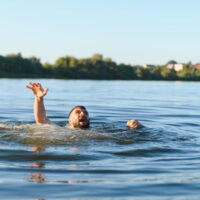
South Florida’s pools, beaches, and other aquatic attractions are part of everyday life. Swimming pools at private homes, vacation properties, and public facilities can provide recreation and relief from the heat. But when a drowning or near-drowning occurs because someone failed to take reasonable safety measures, the consequences can be devastating.
Florida premises liability law may allow an injured person (or sometimes surviving family members) to seek compensation when negligence contributed to a drowning accident. Determining responsibility requires looking closely at what happened. Connect with a Miami personal injury lawyer to explore whether a property owner, manager, operator, or another party failed to address a foreseeable danger.
When Negligence Contributes to a Drowning
Responsibility may arise in many different settings. At a residential pool, for example, an unsecured gate or inadequate barrier could create a dangerous situation for children. Hotels and apartment complexes may have obligations involving pool maintenance, access controls, signage, and safety procedures, too.
Vacation rental properties can present similar concerns. Guests may reasonably expect a property advertised with a swimming pool to have appropriate safety features and warnings. Public pools may involve lifeguard responsibilities, equipment requirements, and operational safety procedures as well.
The specific warnings and safety measures vary depending on the property and circumstances. Several types of safety failures may become important when investigating a drowning accident.
- Negligent supervision. A person or business responsible for supervising swimmers may fail to provide appropriate oversight when supervision is required or represented.
- Broken or inadequate gates. A damaged, unlocked, or improperly secured pool gate can allow unsupervised access to a swimming area.
- Missing safety equipment. Appropriate rescue equipment, alarms, barriers, or other safety measures may be absent, defective, or improperly maintained.
- Inadequate warnings. Property owners and operators may need to provide warnings about certain hazards. A lack of appropriate signage or instructions can become relevant when a dangerous condition is not otherwise obvious.
Evidence such as photographs, maintenance records, surveillance footage, witness statements, inspection reports, and incident records may help establish what happened and whether a safety obligation was ignored.
Drowning Can Cause Catastrophic Brain Injuries
A drowning does not always result in death. A person who survives after being deprived of oxygen can suffer an anoxic or hypoxic brain injury. Oxygen deprivation can damage brain cells within a short period and may result in memory problems, cognitive impairment, motor difficulties, personality changes, or permanent disability.
These injuries can require extensive medical treatment, rehabilitation, and long-term support. The financial consequences may continue for years. A drowning accident can leave families facing overwhelming medical expenses, lost income, or the devastating loss of a loved one.
A careful investigation of a property’s condition, applicable safety duties, and the events leading to the accident is possible. A Miami personal injury lawyer can review the circumstances, identify potentially responsible parties, preserve important evidence, and explain whether a personal injury or wrongful death claim may be available.
Will you be able to hold another party accountable? If you or someone you love suffered a drowning-related injury in South Florida, connect with the experienced attorneys at Spencer Morgan Law. Call 305-423-3800.