
Who Bears Responsibility For Injuries From Falling Debris?
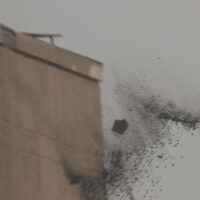
Miami’s skyline is constantly changing, with new residential towers, commercial developments, and infrastructure projects rising across the city. But with this rapid growth comes risk, particularly for construction workers, pedestrians, and motorists who travel near active job sites.
One of the most common and dangerous hazards on Miami construction sites is falling debris, which can cause severe or even life-altering injuries. Determining who is responsible is essential for securing fair compensation. A seasoned Miami personal injury lawyer will listen closely to the specifics of your situation and assess possible settlement paths.
Common Causes of Falling Debris Accidents
Falling debris can take many forms, including tools, concrete, loose roofing materials, scaffolding components, or construction waste. These hazards often result from improperly secured materials, failure to use protective netting, inadequate safety planning, faulty machinery equipment, rushed deadlines or local building safety violations
Because Miami construction projects tend to be large-scale and multi-tiered, even a small object dropped from height can cause catastrophic injury below. Responsibility for falling debris injuries often depends on the relationships between involved parties. Several parties may be legally accountable:
- General contractors. General contractors oversee the site and are responsible for overall safety. If they fail to implement proper safety protocols, such as requiring tethered tools, debris nets, or hardhat zones, they may be liable for resulting injuries.
- If a subcontractor’s employee improperly stores materials, drops equipment, or violates safety rules, that subcontractor may share or bear full responsibility.
- Property owners or developers. Property owners who fail to ensure that contractors maintain safe conditions may also be partially liable, especially if they had knowledge of hazards or exercised control over the worksite.
- Equipment manufacturers. Should equipment such as cranes, lifts, or scaffolding fail and cause debris to fall, the manufacturer may be responsible under a product liability claim.
- Third-party vendors. Delivery companies or maintenance providers working on-site can also cause debris accidents and may be liable independently from construction crews.
Injured construction workers typically have access to workers’ compensation, which covers medical bills and partial wage replacement regardless of fault. However, workers’ compensation does not cover pain and suffering or full lost earnings.
If a negligent third party caused the falling debris, the injured worker may also file a third-party injury claim. This allows for additional damages. Pedestrians, drivers, or nearby residents who are injured can file personal injury claims directly against the responsible parties.
Why Legal Representation Matters
Construction accident cases in Miami involve complex contracts, multiple defendants, and issues of safety compliance. Determining responsibility requires prompt investigation, witness interviews, review of site logs, and sometimes engineering or safety expert analysis.
A Miami personal injury lawyer can pursue maximum compensation. If you or a loved one suffered injuries from falling debris on a Miami construction site, understanding who may be responsible is the first step toward justice, and a safer workplace for everyone.
How will you access the funds you need to pay off expenses related to a debris injury? The lawyers at Spencer Morgan Law are available to fight for your rights. When you are ready to build a claim, call 305-423-3800.