
Hydroplaning And Shared Fault For Rain-Related Accidents
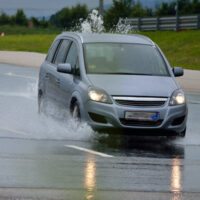
South Florida drivers know that when storm season arrives rain can move in fast, heavy, and without warning. Skies darken, visibility drops, and roads become slick within minutes. In Miami especially, dense traffic and sudden downpours create the perfect conditions for hydroplaning, a frightening moment when a vehicle loses traction and glides uncontrollably across the pavement.
While many drivers assume that bad weather alone is to blame, fault in hydroplaning crashes can be more complex. Understanding how these accidents happen and talking with a Miami personal injury lawyer about how shared fault works can make a major difference when pursuing an injury claim.
Why Cars Hydroplane and What Drivers Can Do
Hydroplaning occurs when a vehicle’s tires lose contact with the road and begin riding on a layer of water. At that point, turning, braking, and steering become extremely difficult. It often happens at higher speeds, in areas with poor drainage, or when tires are worn down. Even a split second of hydroplaning can cause a driver to swerve into another lane, spin out, or collide with vehicles ahead. Many drivers panic, slam on the brakes, or jerk the wheel, which can worsen the skid.
So what should a driver do if hydroplaning begins? Safety experts recommend gently easing off the accelerator, avoiding sudden steering movements, and keeping the wheel straight until traction returns. If braking is necessary, it should be slow and controlled. Proper tire maintenance and reducing speed during wet weather are also key preventive steps. Unfortunately, not all drivers take these precautions, and negligence can play a role even when rain is a contributing factor.
Situations Involving Shared Fault
After rain-related accidents, insurance companies often argue that both parties bear some responsibility. Florida follows a modified comparative negligence system, meaning compensation can be reduced based on a driver’s percentage of fault. If a driver was speeding during heavy rain, following too closely, driving with bald tires, or failing to use headlights, they may be seen as partially responsible, even if hydroplaning triggered the crash.
For example, imagine a Miami commuter hydroplanes during a storm, loses control, and rear-ends another vehicle. The driver may claim the accident was unavoidable due to weather, but investigators will look deeper. Dashcam footage, road conditions, tire condition, witness statements, and accident reconstruction can all play a role in assessing responsibility.
If you’ve been involved in a rain-related accident in Miami, especially one involving hydroplaning, it’s important to protect yourself early. Avoid making statements that admit fault, even casually, and collect as much evidence as possible. Seek medical care right away, document the scene with photos or videos, and contact a Miami personal injury lawyer who understands how weather-related claims are evaluated.
Is there a way for you to push back against an at-fault driver’s argument that weather was to blame? Storm season may be part of life in Florida, but negligent driving doesn’t have to be. With support from the dedicated attorneys at Spencer Morgan Law, a full and fair settlement could be in reach. Call 305-423-3800 to book a confidential consultation.