
How Florida Courts Handle Multi-Car Pileup Liability
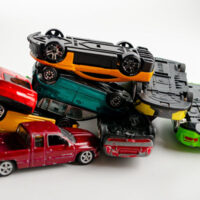
Multi-car pileups are among the most complex personal injury cases Florida courts handle. With multiple drivers, competing insurance carriers, and conflicting accounts of what happened, determining liability is rarely straightforward. For injured drivers, understanding how Florida courts analyze these crashes can clarify why experienced legal guidance from a Miami personal injury lawyer is often essential.
Florida’s Comparative Negligence Framework
Unlike a two-vehicle collision, a pileup may involve several impacts occurring in rapid succession. One driver may cause the initial collision, while others contribute by following too closely, speeding, or failing to react appropriately. Weather conditions, roadway design, and visibility frequently play a role. Florida courts must determine not only who caused the first impact, but how each driver’s conduct contributed to the overall chain of events.
Florida follows a modified comparative negligence system. Each party can be assigned a percentage of fault, and compensation is reduced accordingly. In a pileup, this means liability may be spread across multiple drivers rather than placed on a single person.
Courts evaluate whether each driver acted reasonably under the circumstances. A driver who rear-ends another vehicle may be presumed negligent, but that presumption can be challenged if the lead vehicle stopped suddenly, debris was already present in the roadway, or another collision forced the impact. Florida courts look closely at timing, distance between vehicles, and reaction opportunities.
Because fault is rarely obvious, evidence plays a central role in multi-car cases. Florida courts commonly rely on:
- Police crash reports and diagrams
- Dashcam and traffic camera footage
- Data recorders from vehicles
- Witness statements from multiple vantage points
- Accident reconstruction expert analysis
Medical records are equally important. In pileups, insurers may argue that injuries were caused by a later impact or were pre-existing. Courts often examine whether injuries are consistent with the forces involved in specific collisions within the pileup.
Chain-Reaction vs. Independent Collisions
Courts distinguish between true chain-reaction crashes and separate, independent collisions. In a chain reaction, one negligent act sets off a sequence of unavoidable impacts. In contrast, courts may find independent liability if a driver had time and space to avoid the crash but failed to do so.
This distinction matters because it affects how fault is allocated. A driver who causes the initial crash may bear significant responsibility, but others may still be partially liable for failing to brake, swerve, or maintain a safe following distance.
Seasoned Miami personal injury lawyers know how Florida courts evaluate shared fault, how to counter insurance tactics, and how to present a clear liability narrative in even the most complex pileups. When multiple vehicles are involved, the path to compensation depends on strategy as much as the facts themselves.
Are you confused about how to access a full and fair settlement following an accident involving multiple vehicles? Florida courts rely on detailed factual analysis, expert testimony, and persuasive legal arguments. Talk to the attorneys at Spencer Morgan Law. For injured individuals in Miami, early investigation and evidence preservation can make a decisive difference. Call 305-423-3800 to book a confidential consultation.