
Liquor Liability And Bar Or Restaurant Responsibility
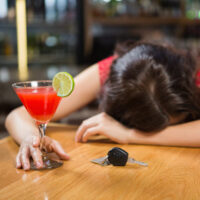
If you’ve been injured in an accident involving someone who had been drinking, you may wonder if a bar or restaurant that served them can be held responsible. The answer in Florida is sometimes, but only under very specific circumstances.
Unlike some states that allow broad claims against businesses that overserve alcohol, Florida has limited dram shop laws. This means that in most cases, the person who chose to drink is primarily responsible for their actions. But there are important exceptions, and talking to a Miami personal injury lawyer is key for someone seeking financial recovery after a serious injury.
Understanding Florida’s Dram Shop Law
Florida law generally protects bars, restaurants, and other establishments from liability when an adult customer causes harm after drinking. That said, there are two notable exceptions where a business may be held accountable:
- If there is proof they were aware of someone being underage yet knowingly served them anyway.
- Knowingly serving someone who is habitually addicted to alcohol.
These cases often require careful investigation because proving what a business knew (or reasonably should have known) is not always straightforward.
For example, if a restaurant continued serving alcohol to an underage customer despite obvious warning signs or ignored identification requirements, that establishment could potentially face civil liability if the intoxicated individual later caused a crash or injured someone else.
Similarly, if a business knowingly served someone with a habitual addiction to alcohol, and that person went on to cause injuries, the injured party may have grounds to pursue compensation beyond the intoxicated individual alone.
When Alcohol-Related Accidents Become More Complicated
Alcohol-related injuries aren’t limited to drunk driving collisions. Intoxicated individuals can also cause pedestrian collisions, boating accidents, falls, and other premises-related incidents. In many of these situations, the first assumption is that only the intoxicated person is responsible, but every case deserves a closer look.
Determining liability requires gathering evidence before it disappears. Security footage may be erased, witness memories fade, receipts can be lost, and surveillance systems are routinely overwritten. These details can help determine whether Florida’s limited dram shop law applies and whether multiple parties may share responsibility for injuries.
Healthcare bills, lost wages, rehabilitation costs, and long-term pain can create tremendous financial stress after an accident. While Florida law limits when bars and restaurants may be held responsible, exceptions exist for a reason. When businesses violate their legal responsibilities by serving minors or knowingly serving someone habitually addicted to alcohol, they may share responsibility for the harm that follows.
Should you or someone you love be injured in an alcohol-related accident in Miami or anywhere in Florida, it’s worth speaking with a knowledgeable Miami personal injury lawyer. A thorough investigation can identify every potentially responsible party and help ensure you pursue the full compensation available under Florida law.
Could you seek accountability from a bar, restaurant, or an event organizer? The seasoned legal team at Spencer Morgan Law are available to examine whether additional parties contributed to what happened. To schedule a confidential consultation, call 305-423-3800.